The Night of Forced Sterilizations That Shattered a Village and Changed India Forever
UTTAWAR, HARYANA — November 6, 1976.
It began like any other night — calm, silent, and unremarkable. But by dawn, the village of Uttawar, a quiet, predominantly Muslim settlement in India’s northern state of Haryana, would lose not only its peace but its future.
At around 3 a.m., the stillness was broken by the sound of government jeeps, barking orders through loudspeakers, and boots stomping through narrow lanes. Hundreds of policemen had surrounded the village, cutting off every route of escape. What followed remains one of the darkest chapters of India’s history — a night when nearly 800 men were dragged from their homes and forcibly sterilized.
Survivors recalled the horror as confusion turned into panic. Men were herded toward the local school, where makeshift medical equipment awaited. There was no consent, no explanation, and no mercy. Those who resisted were beaten; those who begged were ignored. The village’s young and old — students, laborers, farmers, even newlyweds — stood in line, terrified and helpless.
Among them was Mohammad Deenu, who later recounted the event in an interview with Al Jazeera. “A lot of men, unmarried or childless, pleaded with the policemen to let them go,” he said. “Sterilisation is a curse that has haunted Uttawar every night since.”
Deenu considered himself among the lucky ones. His wife was pregnant at the time, and a month later, she gave birth to his only son. For many others, that night ensured they would never become fathers.
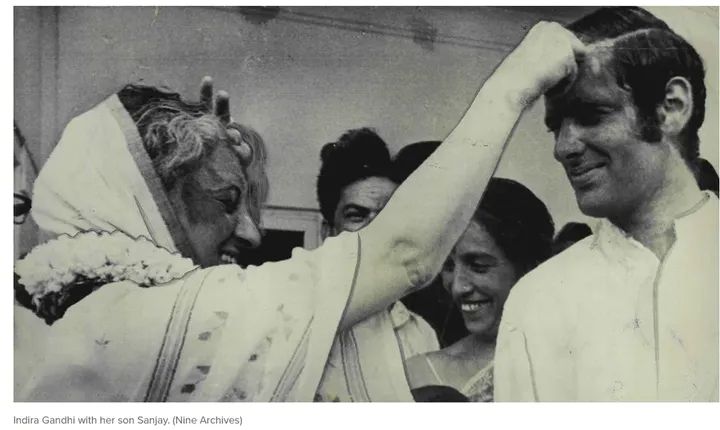
The atrocity in Uttawar was not an isolated act of brutality. It was part of a nationwide sterilization campaign unleashed during India’s Emergency period (1975–1977) — a time when democracy was suspended, dissent was crushed, and citizens lived in fear. Declared by Prime Minister Indira Gandhi, the Emergency allowed her government to rule by decree. Civil liberties vanished overnight, and millions faced censorship, imprisonment, and coercion.
Under pressure from the World Bank and International Monetary Fund to control population growth, Gandhi’s administration launched one of the most aggressive family-planning drives in modern history. Between 1975 and 1977, an estimated eight million men were sterilized, many under duress. Thousands died due to unsafe and unsanitary procedures performed in haste to meet quotas.
The program was driven largely by Sanjay Gandhi, the prime minister’s son, whose authoritarian zeal made sterilization a symbol of state terror. In villages like Uttawar, refusal could mean the loss of jobs, homes, or access to essentials. Some citizens were denied driver’s licenses or irrigation water unless they presented sterilization certificates.
When the Emergency ended in 1977, the backlash was immediate and fierce. The Indian National Congress, once seen as the nation’s liberator, was voted out in a historic defeat. In Uttawar, not a single ballot was cast in favor of the party responsible for its pain.
Nearly five decades later, the people of Uttawar still remember that night — a night when trust in government broke forever. It was more than a policy failure; it was an assault on dignity, choice, and humanity itself.
For those who lived through it, the memory endures — a warning from history that the abuse of power can scar generations long after the slogans of progress fade.
Tags:
#Uttawar #IndiaEmergency #IndiraGandhi #SanjayGandhi #ForcedSterilization #HumanRights #HistoricalTragedy #Haryana #PopulationControl #IndiaHistory #November1976 #NeverForget #JusticeAndMemory